Projects Insights Team Contact Client Portal
Service 03 · Designed to cost less, over time

Design that works with the climate, not against it

Sustainable solutions build climate resilience, water management and biodiversity into a project from concept stage — not bolted on as a compliance layer once the design is already set. Lower running costs, fewer replacements, a site that ages well.

Talk to us about your site See all services
03
Woven into every project, not sold as a separate add-on
Low
Low-impact stormwater and climate-appropriate planting
01
Considered from concept stage, not added after design

Sustainability as a design decision, not an afterthought

Sustainable solutions cover how a site manages water, heat, planting and materials — grading that keeps stormwater on site, species chosen for the local climate, surfaces and materials that last. It's mostly about the choices already being made, made with the long term in mind.

Treated this way, sustainability doesn't add a separate cost line to a project — it's folded into the master plan, the landscape design and the CPTED thinking from the first sketch.

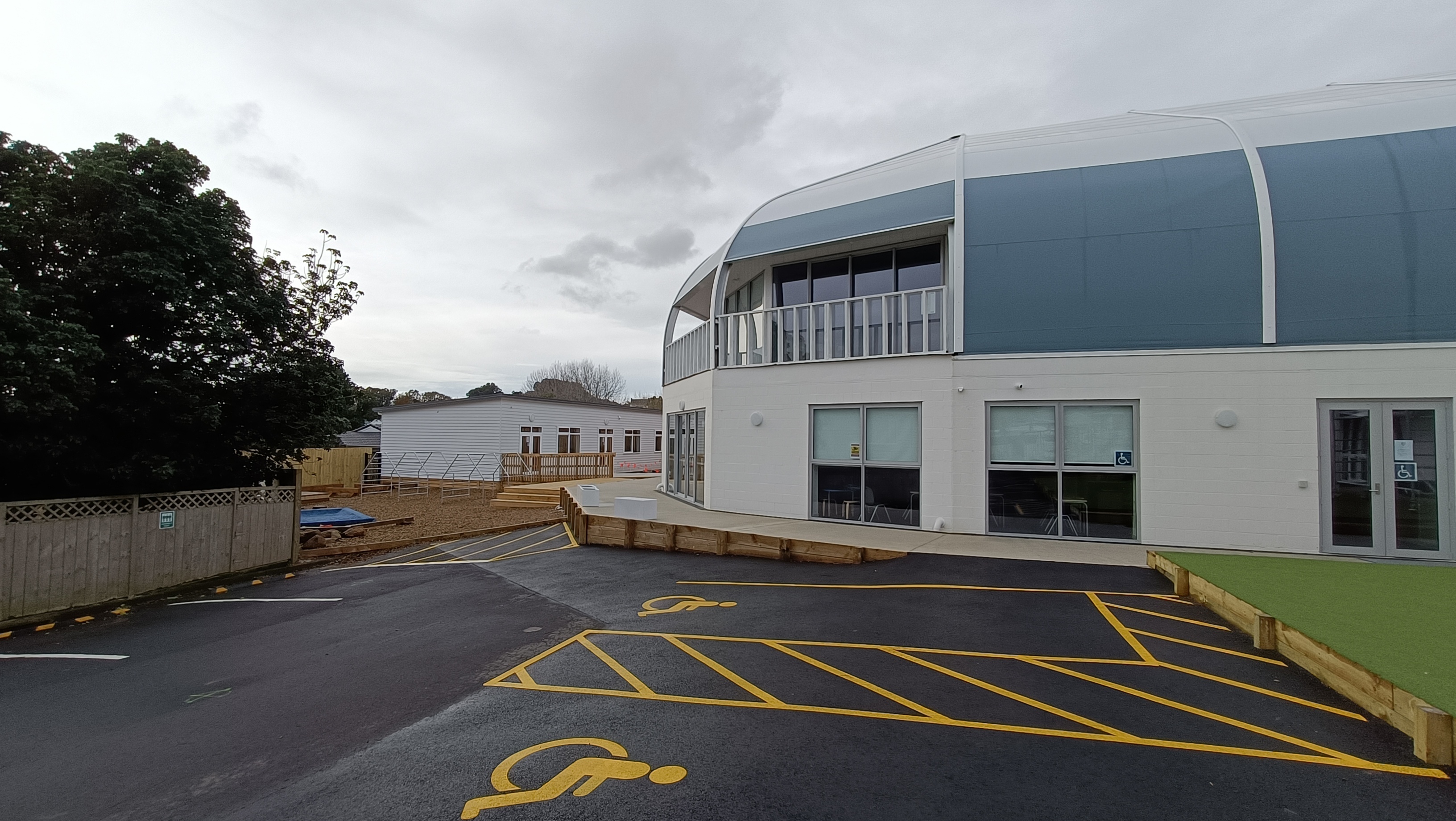
Sustainable landscape design showing native planting and stormwater management integrated into a site Water, planting and materials, chosen for how the site will actually perform over decades

Anywhere long-term running cost and resilience matter

Sustainable design comes up most on projects with a long life ahead of them — where what a site costs to run matters as much as what it costs to build.

Councils & public realm

Reserves and civic land where stormwater performance and biodiversity are often explicit consent requirements.

Schools & education

Campuses with decades ahead of them, where lower maintenance and irrigation costs compound over time.

Residential & commercial developers

Sites where sustainable stormwater and planting reduce both consent friction and long-term body corporate costs.

Iwi & community organisations

Whenua-based projects where environmental performance and cultural values often point the same direction.

Infrastructure & utility providers

Sites where climate resilience — flooding, heat, erosion — is a direct operational risk, not just a design preference.

What sustainable design actually buys you

Not a compliance tick — a site that costs less to run, holds up better, and moves through council with fewer questions.

01
Lower running costs

Less irrigation, less replacement planting, less reactive maintenance over the site's life.

02
Better stormwater performance

Grading and surfaces designed to manage rainfall on site, reducing pressure on downstream infrastructure.

03
Climate resilience

Planting and materials chosen to handle heat, drought and heavier rainfall as conditions shift.

04
Smoother council approval

Environmental effects addressed at concept stage, ahead of a request-for-further-information cycle later.

05
Stronger biodiversity outcomes

Native and climate-appropriate planting that supports local ecology, not just visual amenity.

06
No separate cost line

Folded into master planning and landscape design from the start, rather than priced as an add-on.

A four-step approach, run alongside your design

01
Site & climate analysis

Soils, drainage, sun, wind and exposure understood, alongside the environmental effects a project needs to manage.

02
Sustainability strategy

A clear set of priorities for stormwater, planting, materials and resilience, matched to the site and the budget.

03
Integrated design

Findings built directly into the master plan and landscape design — not issued as a separate report to argue about later.

04
Council liaison & sign-off

We present and defend the sustainability approach to council or your client group as part of resource consent.

Where this shows up in our work

Sustainable thinking runs through our landscape architecture and master planning work — stormwater design that shapes a site's grading, planting palettes chosen for local conditions, and materials selected to last. It's rarely a standalone deliverable; it's a lens applied from the first concept, alongside CPTED and accessibility. See our full project portfolio for examples of the disciplines it sits alongside.

Sustainable solutions, explained

What counts as a sustainable solution in landscape design?

It covers anything that reduces a site's long-term environmental impact and running cost — low-impact stormwater design, climate-appropriate planting, permeable surfacing, native biodiversity, and material choices that last and age well. It's a set of design decisions, not a single product.

Does sustainable design cost more upfront?

It depends on the measure, but much of it costs the same or less — right plant for the site, sensible grading, and durable materials are design decisions, not add-ons. Where there is an upfront cost, it's usually offset by lower irrigation, maintenance and replacement costs over the site's life.

How does sustainable design help with resource consent?

Many councils weight stormwater management, native planting and climate resilience favourably in resource consent assessments, particularly for larger developments. A considered sustainability approach can also pre-empt requests for further information on environmental effects.

Can sustainable design reduce a site's long-term running costs?

Yes — planting suited to local conditions needs less irrigation, permeable surfaces reduce stormwater infrastructure costs, and durable materials need replacing less often. The savings show up over years, not on the day the project is finished.

What's the difference between sustainable design and just adding solar panels or water tanks?

Solar panels and water tanks are equipment added to a site. Sustainable design shapes the site itself — orientation, grading, planting, materials and drainage — so it needs less energy and water to begin with. Equipment can support that, but it isn't a substitute for it.
The same team designing your master plan builds sustainability in from the start — no separate consultant, no bolted-on report.

Meet the team

Want a site that costs less to run, not just to build?

Bring us in at concept stage and sustainability becomes part of the design, not a report you argue about later.