Service 03 · Designed to cost less, over time
Design that works with the climate, not against it
Sustainable solutions build climate resilience, water management and biodiversity into a project from concept stage — not bolted on as a compliance layer once the design is already set. Lower running costs, fewer replacements, a site that ages well.
03
Woven into every project, not sold as a separate add-on
Low
Low-impact stormwater and climate-appropriate planting
01
Considered from concept stage, not added after design
Common questions
Sustainable solutions, explained
What counts as a sustainable solution in landscape design?
It covers anything that reduces a site's long-term environmental impact and running cost — low-impact stormwater design, climate-appropriate planting, permeable surfacing, native biodiversity, and material choices that last and age well. It's a set of design decisions, not a single product.
Does sustainable design cost more upfront?
It depends on the measure, but much of it costs the same or less — right plant for the site, sensible grading, and durable materials are design decisions, not add-ons. Where there is an upfront cost, it's usually offset by lower irrigation, maintenance and replacement costs over the site's life.
How does sustainable design help with resource consent?
Many councils weight stormwater management, native planting and climate resilience favourably in resource consent assessments, particularly for larger developments. A considered sustainability approach can also pre-empt requests for further information on environmental effects.
Can sustainable design reduce a site's long-term running costs?
Yes — planting suited to local conditions needs less irrigation, permeable surfaces reduce stormwater infrastructure costs, and durable materials need replacing less often. The savings show up over years, not on the day the project is finished.
What's the difference between sustainable design and just adding solar panels or water tanks?
Solar panels and water tanks are equipment added to a site. Sustainable design shapes the site itself — orientation, grading, planting, materials and drainage — so it needs less energy and water to begin with. Equipment can support that, but it isn't a substitute for it.
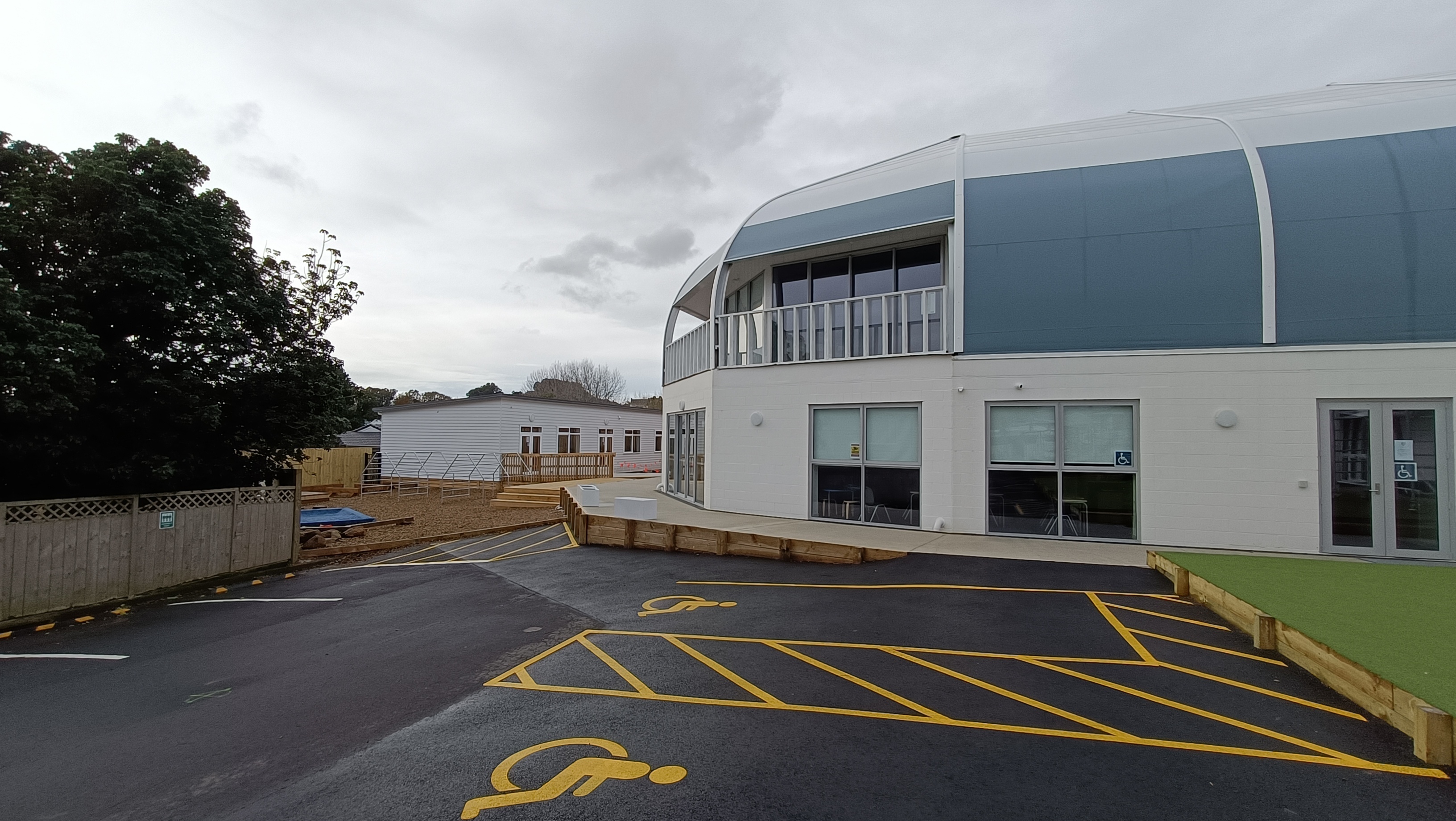 Water, planting and materials, chosen for how the site will actually perform over decades