Projects Insights Team Contact Client Portal
Service 06 · One coordinated concept, not several

Every consultant, pulling in the same direction

Concept design management coordinates the architects, engineers and specialists working on a project's concept — aligned to a shared brief and budget, with conflicts caught early — so what reaches sign-off is one coherent, buildable proposal.

Talk to us about your project See all services
06
Coordination across every discipline on your concept team
1
One coherent concept, not several disconnected proposals
Locked
A signed-off concept before detailed design risk sets in

The role that keeps a concept coherent

Concept design projects usually involve several consultants working at once — architects, engineers, planners, landscape specialists — each solving their own part of the brief. Concept design management is the role that keeps their work aligned to each other, to the budget, and to the client's actual priorities.

It doesn't replace any consultant's design work. It manages the process around it — tracking decisions, surfacing conflicts early, and keeping the whole team moving toward one sign-off, not several separate ones.
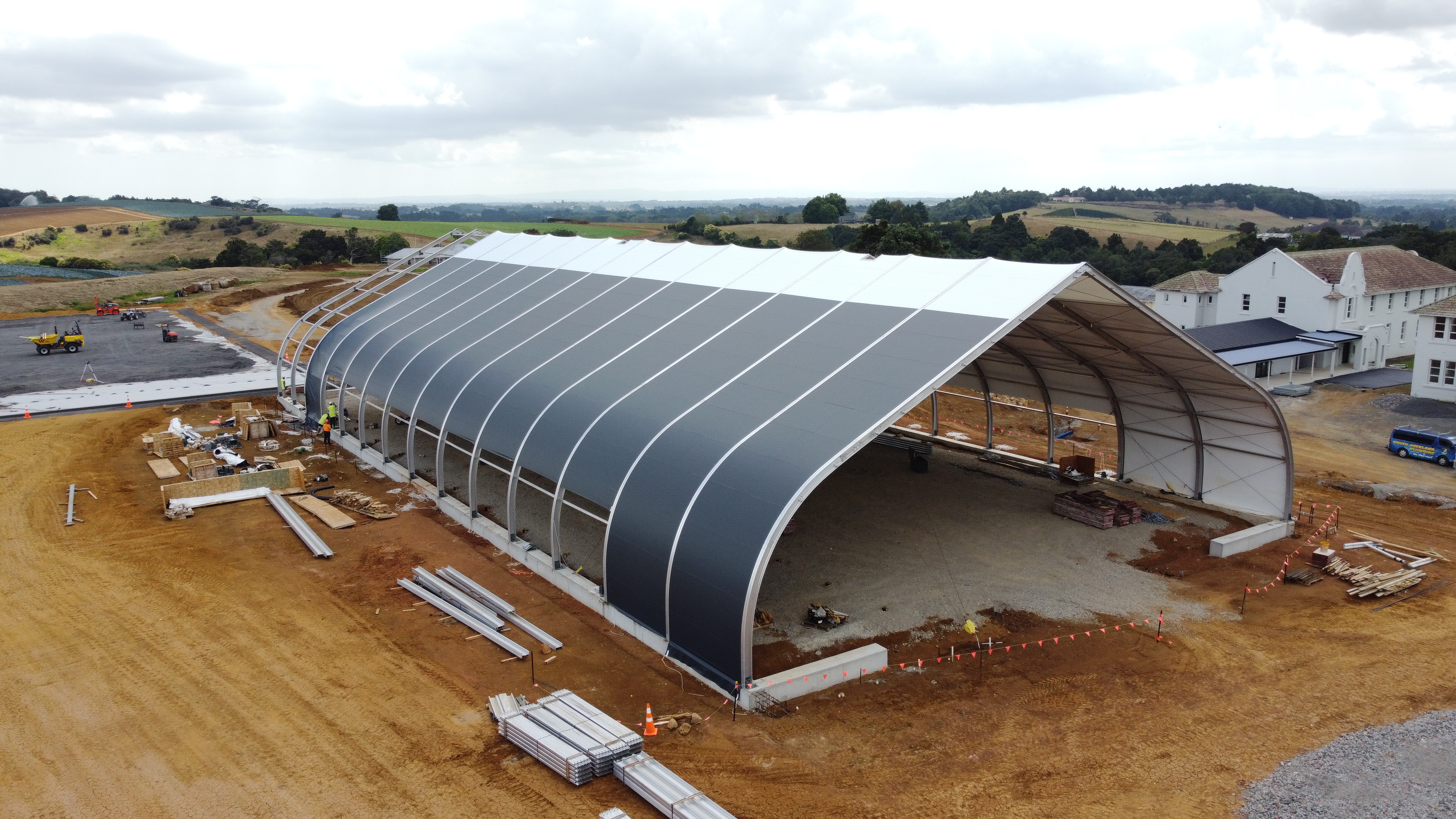
Design team coordinating concept plans across architecture, engineering and landscape disciplines Coordinating every consultant's work against one shared brief and budget

Anywhere multiple consultants need to move as one team

Concept design management comes up most on projects with several consultants in the room at once, and a client who needs one coordinated proposal, not a stack of separate reports.

Residential & commercial developers

Multi-consultant projects where budget certainty at concept stage matters as much as the design itself.

Councils & public bodies

Public projects where several disciplines need to align to one brief before it goes out for wider consultation.

Schools & education

Building programmes with architects, engineers and landscape input all needing to land on one workable concept.

Boards & community organisations

Groups without an in-house project lead, needing someone to hold the concept phase together on their behalf.

Sport & recreation providers

Facility projects where civil, landscape and building consultants all need to reconcile against one budget.

What good concept design management actually buys you

Not more meetings — fewer surprises, caught before they turn into expensive changes in detailed design.

01
Conflicts caught early

Disagreements between disciplines surfaced and resolved at concept stage, not on site.

02
Budget certainty

Decisions tracked against cost as the concept develops, not discovered at the end.

03
One point of accountability

A single point of contact holding the whole concept team to the brief and the timeline.

04
A concept that actually locks

Sign-off on one coherent proposal, not several consultants' separate interpretations of the brief.

05
Less rework later

Fewer late-stage changes once detailed design and documentation are underway.

06
Clear decision points

Defined moments for the client to review, question and approve — not a black box until it's done.

A four-step process, run across the whole concept team

01
Brief & team alignment

A shared brief, budget and programme agreed with every consultant before concept work begins in earnest.

02
Coordinated development

Regular check-ins across disciplines so architecture, engineering and landscape work stay aligned as they develop.

03
Conflict resolution & budget checks

Trade-offs between disciplines and cost surfaced and resolved with the client, before they become locked in.

04
Concept sign-off

One coherent, budget-checked concept presented for approval, ready to hand to detailed design.

Where this shows up in our work

Concept design management sits alongside our master planning and landscape work on projects with several consultants involved — holding the whole team to a shared brief and budget while each discipline develops its part of the concept. It's most valuable exactly where coordination is hardest: large teams, tight budgets, and a client who needs one clear answer, not several. See our full project portfolio for examples of the disciplines it coordinates.

Concept design management, explained

What does concept design management involve?

It's coordinating everyone working on a project's concept — architects, engineers, planners and other specialists — against a shared brief, budget and timeline, so their work stays aligned and the concept comes together as one coherent proposal rather than several disconnected ones.

How is this different from being the lead designer?

A lead designer usually owns the design itself. Concept design management focuses on coordination — keeping every consultant's work aligned to the brief and each other, tracking budget against decisions, and managing the process so the concept lands on time and on brief.

Can this service work alongside an existing design team?

Yes — concept design management is often brought in specifically to coordinate a team that's already been appointed, rather than to replace any of its members. The role is to manage the process, not necessarily the individual designs.

What happens if consultants' work conflicts during concept design?

Conflicts between disciplines are normal at concept stage — the point of managing the process is to surface them early, work through the trade-offs with the client, and resolve them before they become expensive changes in detailed design or on site.

When does concept design management end and detailed design begin?

Typically once the concept is signed off by the client — layout, budget and key decisions agreed and locked. From there, detailed design and documentation can proceed with far less risk of the kind of late-stage change that concept coordination is meant to prevent.

One point of contact holds the whole concept team to the brief — no chasing separate consultants for updates.

Meet the team

Got several consultants and one concept to land?

Bring us in to coordinate the concept phase, and every discipline moves toward the same sign-off.