
Building Healthier,
More Resilient Communities
A future-ready approach to community infrastructure across Canterbury and New Zealand
A future-ready approach to community infrastructure across Canterbury and New Zealand
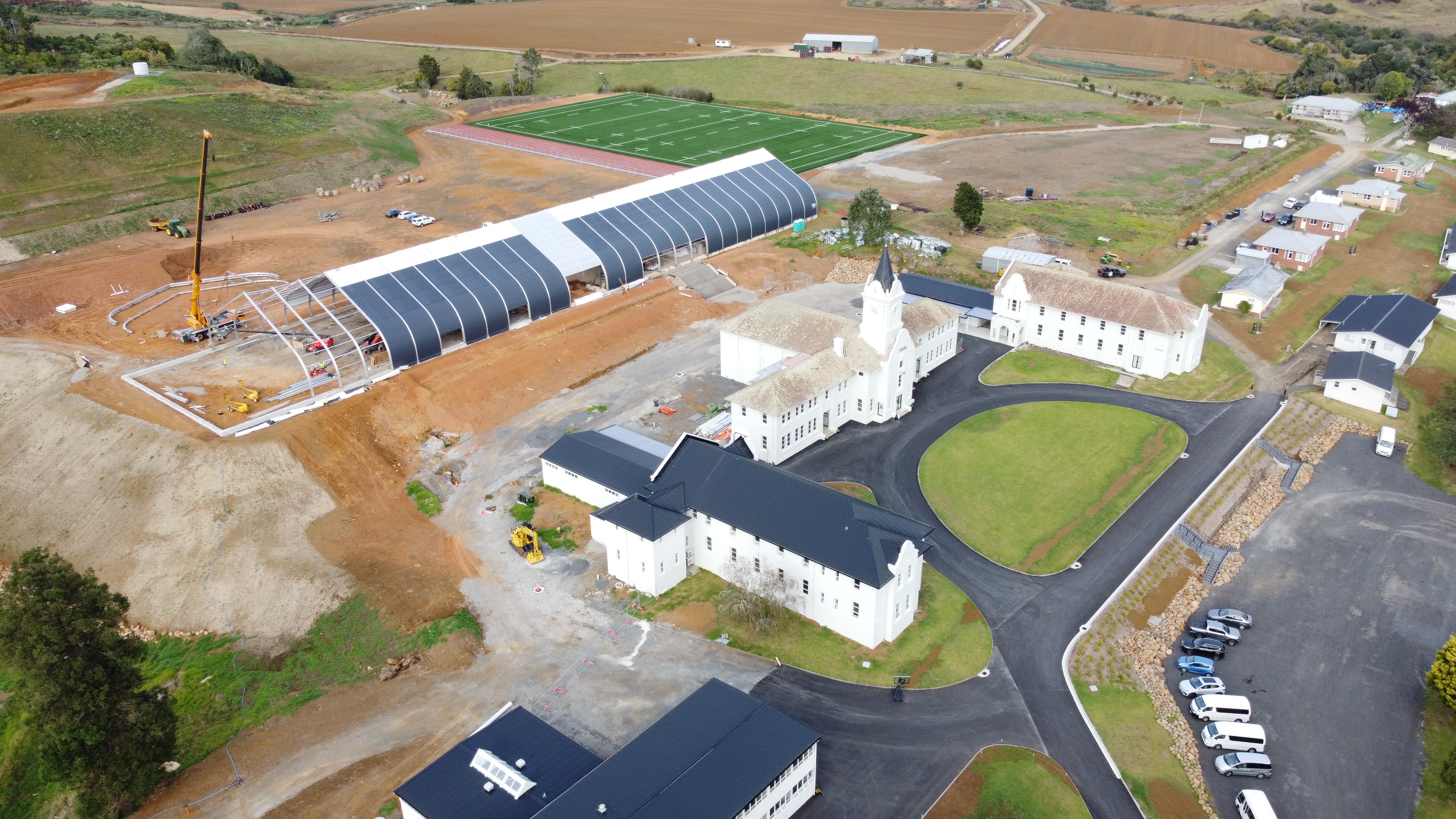
CI Design delivers a genuine end-to-end service — design, consenting, documentation, procurement and delivery — rather than simply supplying a structure. Our process is inclusive by design: clients are involved at every stage, helping shape the outcome and holding ownership of the project from first concept through to completion. As a Canterbury-based landscape architecture and design practice, we understand the local planning environment, ground conditions and community expectations that shape a successful outcome, and we bring that local knowledge to every stage of a Sprung project — from the first feasibility conversation through to the final sign-off.
Sprung's tensioned-membrane systems have been refined over more than 40 years and installed in over 45 countries, giving communities a proven, engineered alternative to conventional construction — one that can be tailored to almost any site, climate or programme.
| Attribute | Traditional | Sprung |
|---|---|---|
| Build Programme | Months to years | Weeks to months |
| Site Disruption | Extended | Minimal foundations |
| Span Flexibility | Column-dependent | Pre-engineered to 48m clear span |
| Environmental Impact | Higher embodied carbon | Reduced footprint |
| Long-Term Durability | Variable | Warranty up to 50 years |
| Future Adaptability | Costly to extend | Modular expansion |
| Weather Resilience | Site- and material-dependent | Engineered for high wind and snow loads |
Communities across the country are being asked to do more with facilities that were not built for today's needs — while budgets, timelines and delivery capacity are more constrained than ever. Councils, schools and community organisations are all navigating the same pressures: growing populations, rising expectations for wellbeing and recreation, and a construction sector working through capacity and cost challenges that stretch traditional building programmes well beyond what communities can wait for.
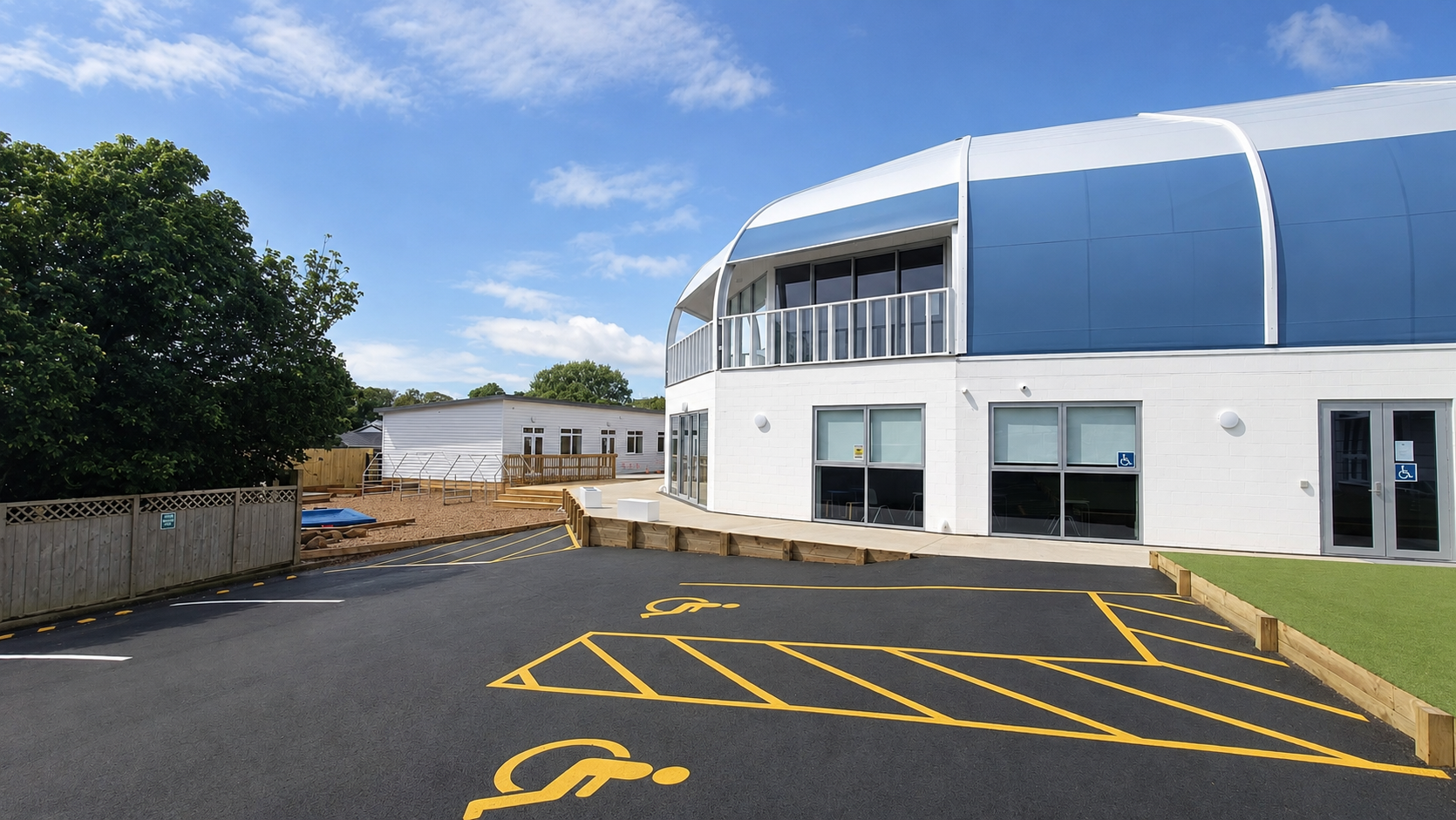
"How can we create infrastructure that supports communities today while remaining adaptable for tomorrow?"
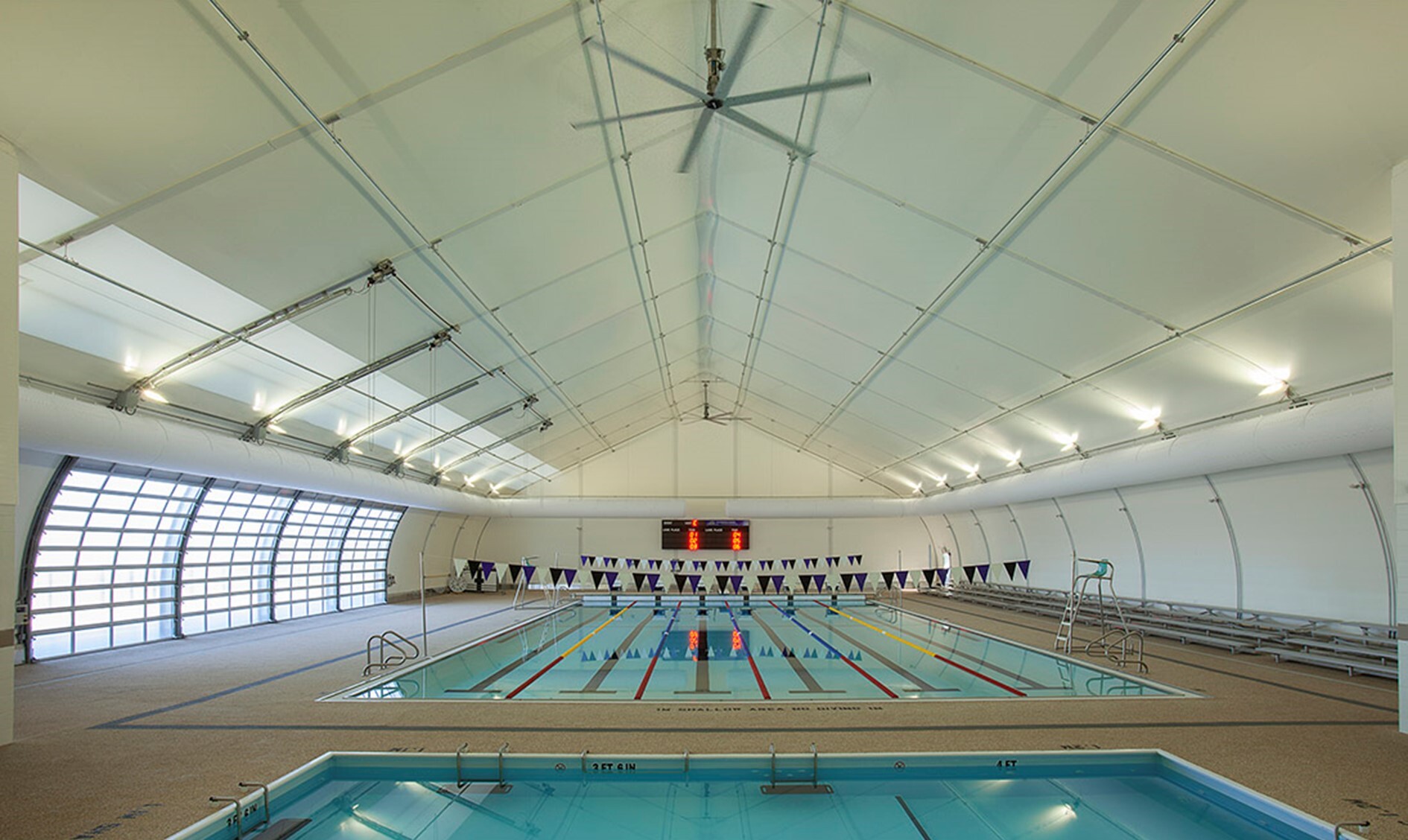
The spaces people use every day shape health, connection and participation. Quality community infrastructure is preventative health infrastructure — it gives people a reason and a place to stay active and stay connected. When a facility is warm, dry, well-lit and easy to access year-round, participation rises across every age group, and the flow-on benefits extend well beyond the building itself into schools, sports clubs and the wider social fabric of the town it serves.
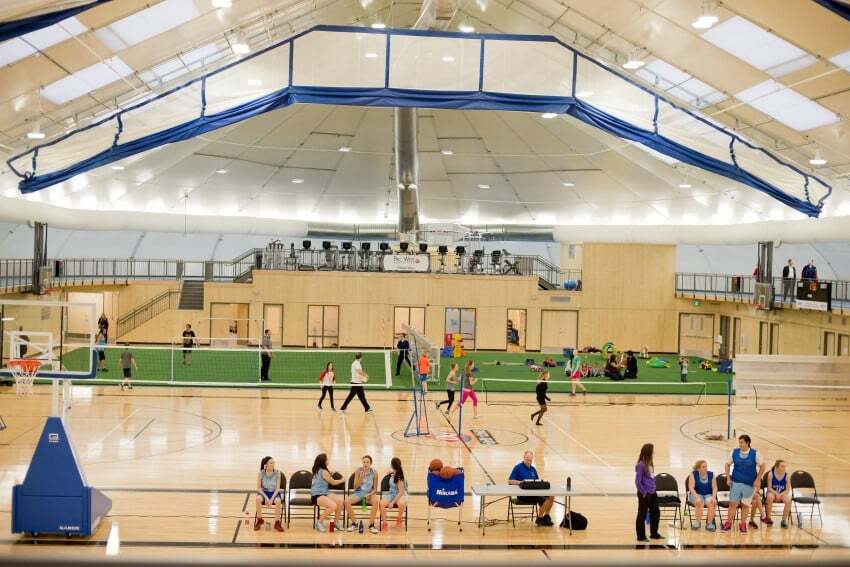
"Community infrastructure is more than a building. It is an investment in healthier communities."
New Zealand communities need infrastructure that can adapt to changing circumstances — serving everyday needs, and standing ready when they're needed most. A Sprung structure can operate as a sports hall, community hub or training venue on an ordinary week, and convert quickly into a welfare centre, supply depot or civil defence base when an emergency calls for it — giving councils and communities genuine dual-purpose value from a single capital investment.
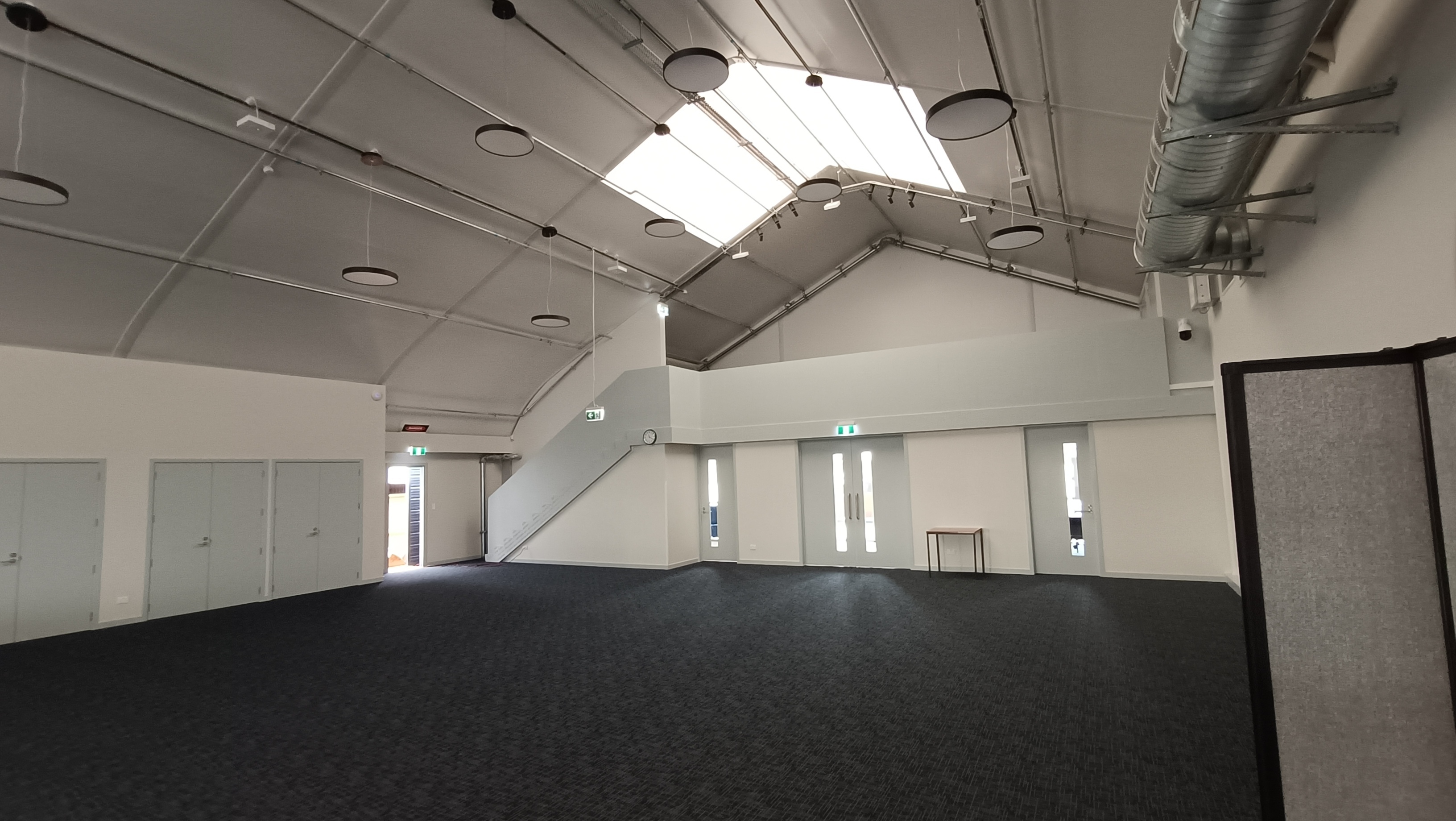
"Buildings should serve communities every day — and provide additional capability when needed."
The same underlying system flexes to suit very different briefs — from a single-court community gym to a multi-purpose civic hub — without asking a community to compromise on quality, comfort or longevity.
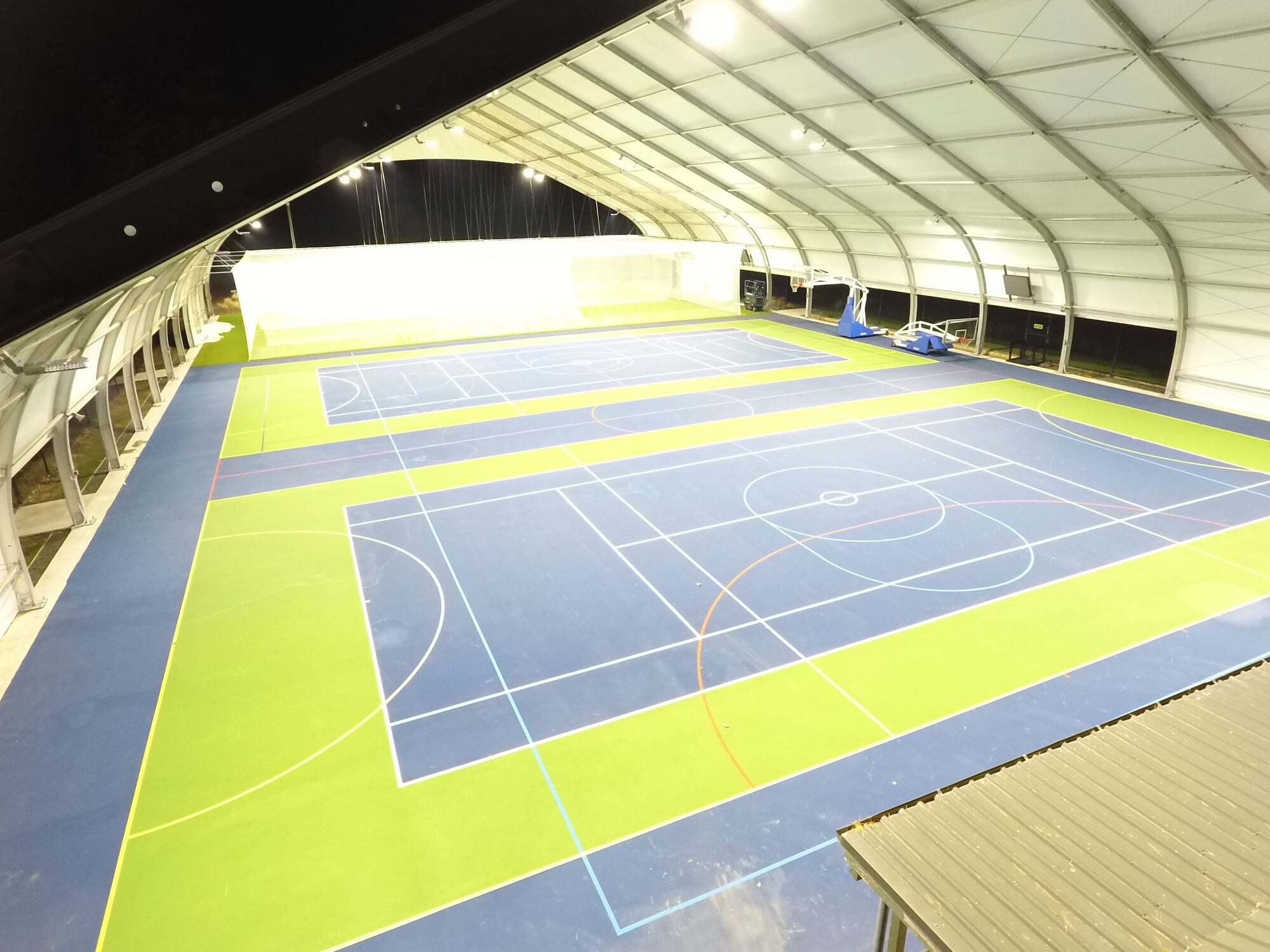
Column-free courts and training spaces that support year-round programming.
Supporting:
Adaptable civic space that flexes from everyday use to large-scale gatherings.
Supporting:
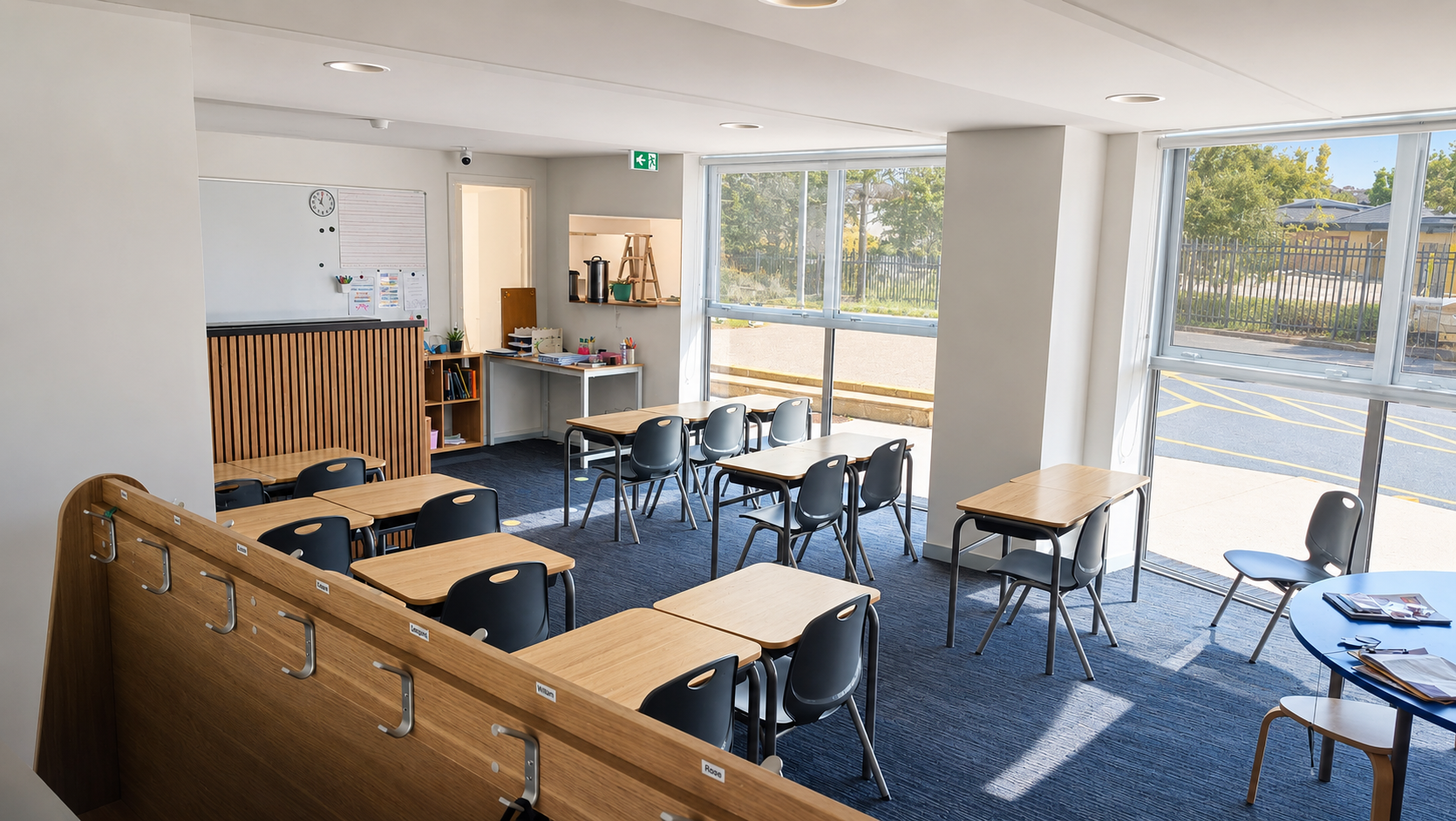
Bright, well-ventilated learning environments delivered on tight school timelines.
Supporting:
Rapidly deployable, structurally engineered space for the moments communities need it most.
Supporting:
CI Design and Sprung Structures believe New Zealand has an opportunity to rethink how community infrastructure is planned and delivered. By pairing proven design and delivery expertise with an engineered, adaptable building system, councils, schools and community organisations can move faster, spend more wisely, and get more from every project. By creating adaptable, multi-purpose facilities, communities can access spaces that support:
"Creating infrastructure that serves communities today and adapts for tomorrow."